State of the Consumer 2026: When tech acceleration and cost pressures collide
The consumer landscape is rapidly shifting due to the increasing power of technology. This technological acceleration is driving significant changes in the way people live, work, and interact with each other.
Tech acceleration: The driving force behind consumer trends
As tech acceleration gains momentum, it's having a profound impact on consumer trends. The growing availability and affordability of smartphones has enabled consumers to access an unprecedented amount of information and services on-the-go, fundamentally altering the way they shop, socialise and entertain themselves. Meanwhile, advancements in digital payments and voice assistants are providing new channels for businesses to connect with their customers and offer more seamless experiences. However, this tech acceleration is also being driven by rising cost pressures, which are forcing consumers to become increasingly price-sensitive and demanding of better value for money. As a result, the inter
The impact of cost pressures on consumer behavior
The growing cost pressures on consumers are leading to a shift in their behaviour, with many opting for more affordable options and looking for ways to reduce their expenditure. As prices continue to rise, the value-for-money proposition is becoming increasingly important, driving consumers to seek out products and services that offer better value for their money. This trend is expected to be particularly pronounced among budget-conscious shoppers, who will be seeking out discounts and promotions to make their purchases more affordable. Meanwhile, those with higher disposable incomes are likely to be able to absorb the rising costs without significant hardship, but even they may start to feel the pinch if prices continue to rise at a rapid pace. Ultimately, consumers' ability to balance their desire for quality products and services with the need to manage
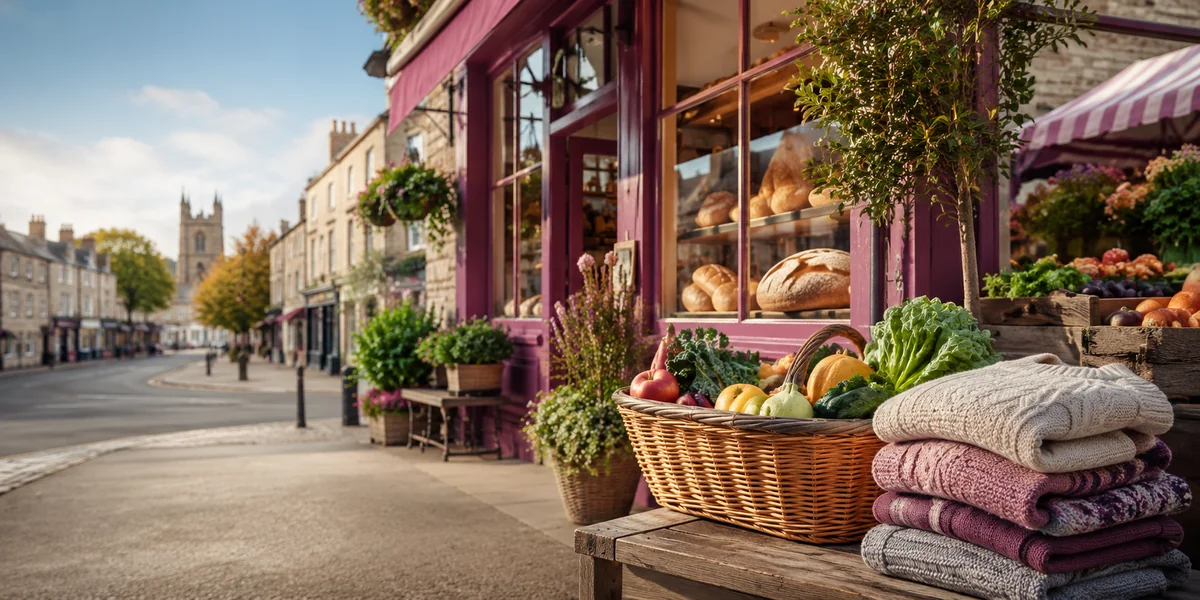
Shifting shopping habits and local shop revival
The pandemic accelerated consumer trends towards online shopping, but the rise of AI-powered recommendations and social media influencers has led to a shift towards experiential retail. As consumers increasingly opt for immersive experiences over material purchases, local high streets are experiencing a revival, with independent shops and boutiques opening to cater to this demand. This resurgence is driven by consumers seeking unique, human connections and authentic products, which online retailers struggle to replicate. Furthermore, the growing awareness of sustainability and environmental impact has also contributed to the revitalisation of local shopping, as consumers increasingly choose to support businesses that adhere to environmentally friendly practices.
How consumers are adapting to the new retail landscape
- Consumers are increasingly turning to online marketplaces for comparison shopping, seeking the best deals before making a purchase.
- Many shoppers are opting for hybrid retail models that combine the benefits of physical stores with the convenience of e-commerce.
- As cost pressures rise, consumers are becoming more price-sensitive and are using tools like price comparison websites and cashback apps to save money.
- The shift towards sustainable living is driving demand for eco-friendly products and services, with many consumers seeking out brands that share their values.
- Consumers are also seeking out immersive retail experiences, such as augmented reality try-on and virtual workshops, to enhance their shopping experience.
A future-proof approach for businesses in a rapidly changing market
A mid-sized fashion retailer is experiencing declining sales due to the increasing popularity of second-hand shopping. To future-proof their business, they are investing in a data analytics platform that uses machine learning algorithms to predict consumer demand and identify emerging trends. This will enable them to rapidly adapt their product ranges and marketing strategies to stay ahead of the competition. By leveraging this technology, the retailer aims to reduce waste and increase efficiency, while also improving customer satisfaction.
As the tech landscape continues to evolve at an unprecedented pace, consumers are facing a growing challenge in navigating the increasingly complex world of digital goods and services. The confluence of rapid technological advancements and rising costs is having a profound impact on consumer purchasing decisions, with many individuals struggling to reconcile their desire for innovative products with the corresponding price tag. In response, manufacturers are being forced to adopt more agile business models that prioritise flexibility and adaptability over traditional notions of product lifecycle management. This shift towards a more dynamic approach to product development is likely to have significant implications for consumer relationships, as companies seek to build trust and loyalty through more responsive and collaborative interactions. Furthermore, the need for greater cost transparency and accountability will become increasingly important, with consumers demanding clearer explanations of pricing structures and value propositions. Ultimately, the goal for manufacturers will be to strike a delicate balance between delivering innovative products at competitive prices while maintaining a strong emotional connection with their customers.
Frequently Asked Questions
What role will technology play in shaping consumer behavior?
I'll do my best to provide answers based on the topic.
How long does this usually take?
Technology will play a significant role in shaping consumer behavior, particularly through the increased adoption of digital channels and the proliferation of data-driven insights that help consumers make informed purchasing decisions.
Can small, independent shops compete with big retailers?
The impact of technology on consumer behavior typically takes around 2-5 years to manifest, as it requires a period of adaptation and familiarity among consumers for new technologies and platforms to become integral parts of their daily lives.
As we explore the best of UK high street culture, remember to always support independent retailers and local businesses that make our communities unique and special. — Editor, Home & High Street